
In ROB RUN, securing a plot and adding a house are different parts of setting up a base: the land instructions describe paying rent, while houses are placeable building items. The vehicle FAQ also uses the phrase buying a plot with a house or garage, without explaining how that purchase wording relates to renting. Compare the plot, the building, and ownership of an entire settlement separately when deciding what kind of housing investment you need.
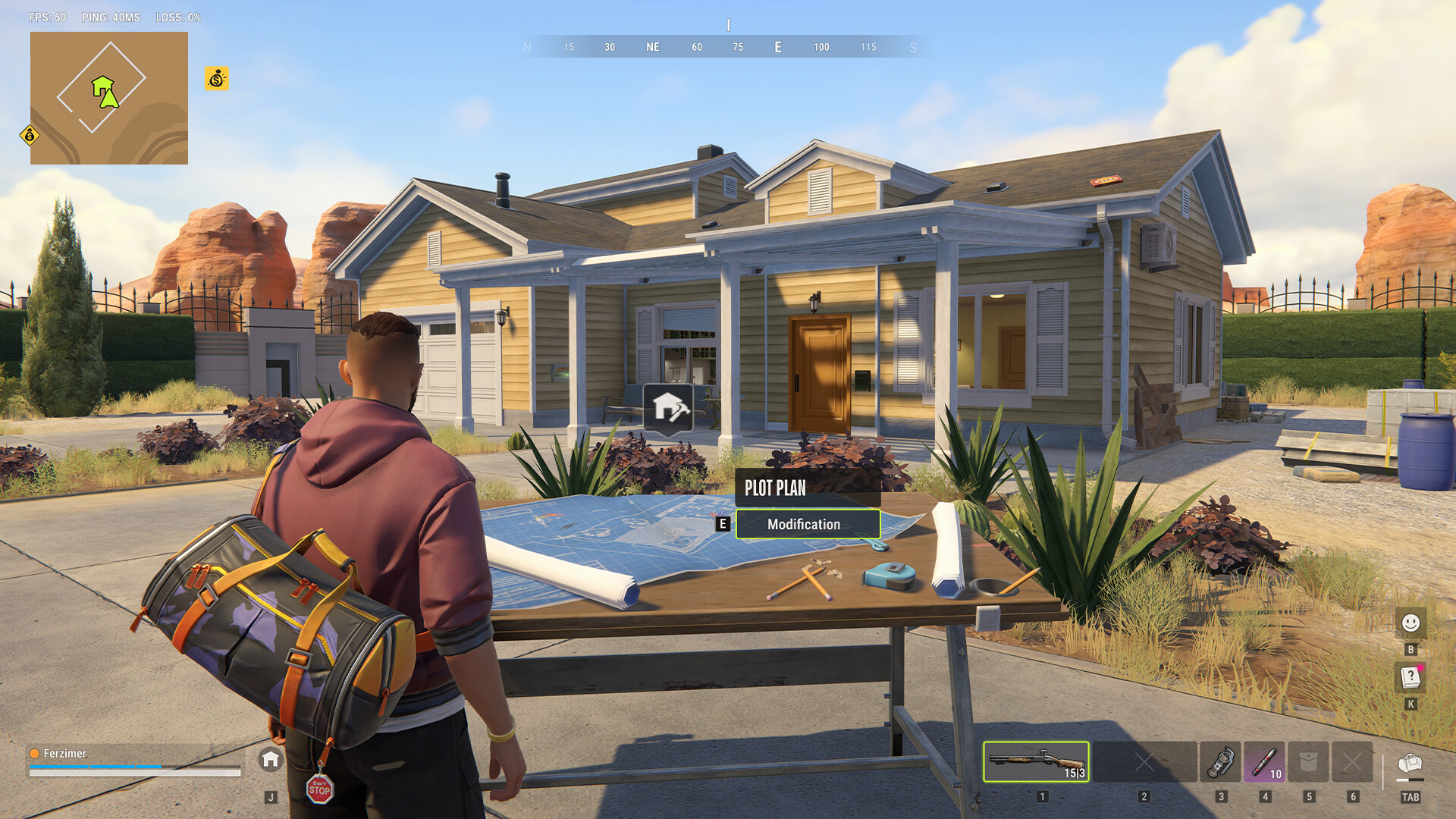
What the plot, house, and settlement each mean
A plot is the space you secure for a base within a settlement, and the rental instructions require that settlement to have an owner. A house belongs to the construction system, alongside other buildings and objects that you place from your inventory. Buying a settlement is a broader ownership option involving rentable plots and tenants, rather than simply adding another structure to your own base.
The vehicle FAQ specifically connects purchasing your own vehicle with buying a plot that has a house or garage. That wording should not be stretched into a promise that purchasing a standalone house automatically provides land ownership or replaces the rental process. For your housing decision, keep the stated vehicle requirement separate from the instructions for securing a vacant plot.
How to rent a plot and choose its location
To establish a base through the rental process, find a vacant plot in a settlement that already has an owner. Pay the rent at the sign beside that plot, which is the interaction identified in the land instructions. Plots in level 2 and level 3 districts also require special documents from the Black Market, so location can introduce a requirement beyond the rent itself.
Location also matters because the level of your home territory affects which criminal contacts you can access and which goods are available for purchase. The Shipments tab can be opened with H or through the side menu in the desert, Lenny's Motel, or Looty Bay. Specific item unlocks may require a base in a settlement of a certain level or accumulated jail time, rather than a house upgrade.
What a house includes and how furnishing works
Construction is item-based, so houses, fences, farms, and garages are placed directly from your inventory instead of being described as a separate land transaction. The same placement system includes functional objects such as safes, shelves, workbenches, vises, garden beds, and cooking pots. This makes the contents of your base a separate consideration from the plot that accommodates it.
The main building starts with a laptop, a first-aid kit, and a few cabinets, rather than a complete arrangement of furniture and workstations. You are responsible for setting up the remaining furnishings and workbenches, so account for those items when comparing your housing options. Construction items can be purchased, found as loot, or taken from another player's bag; buying is not their only stated source.
Upgrade the facilities that serve your activities
Base development includes more than placing a house, with farms, warehouses, and laboratories among the structures available to construct. These facilities have distinct uses: bushes can grow on your farm, and chemical reagents can be used in your laboratory. Cargo found around the map can also be brought back, placed at your base, and opened there.
Workbenches have their own upgrade route through modules that unlock additional functionality, giving you another way to develop the base after placing its buildings. Choose improvements around the functions you want from the property, whether that means workbench capabilities, farming, or laboratory activities. Do not assume these improvements replace territory or jail-time requirements, because specific goods can have those separate unlock conditions.
Consider houses and garages when planning for vehicles
If your housing decision is driven by vehicle ownership, the stated requirement is a plot with a house or garage. The vehicle FAQ also identifies your key locker as the place to store the vehicle's key. A house is therefore not the only building mentioned in that requirement, although the FAQ does not explain a separate rental-versus-purchase transaction sequence.
Garages also have a role in expanding your base, with the base guide recommending building one when you need room for another car. You can install a lift at the base and change vehicle modules yourself instead of making the trip to the city auto repair shop. These are concrete reasons to consider vehicle facilities when deciding which building items to obtain and place.
Balance useful storage with protection from raids
A base gives you somewhere to store stolen goods, while the storage FAQ says that Lenny's only stores cash. It also serves as an additional respawn point after death, making it useful beyond furnishing or vehicle storage. However, other players can raid the base, so moving loot into your property does not make those belongings immune to attack.
Installing fuses in the Security System increases the time and resources attackers must spend trying to hack it. Defense modules can alert allies to an attack, and the base guide also recommends raid alerts for yourself and your allies. Keeping a low profile is another suggested defensive approach, while the Steam description warns that a more lavish refuge attracts more intruders.
Buying a settlement means taking on a landlord role
Buying a settlement with rentable plots creates a different opportunity from renting a plot for your own hideout. The owner receives a share of the money tenants spend and launder, connecting that ownership to tenant activity. You must collect this share in person, so it should not be described as money automatically delivered to you.
If your aim is simply a place to keep loot, vehicles, and workbenches, those functions belong to the personal base system. The distinctive stated benefit of owning a settlement is the tenant-related share, rather than a promise that a house becomes better equipped. Decide whether you are seeking those personal base functions or the ownership role before treating every reference to buying property as the same choice.
Plan around relocation and the Federal Raid
Choosing a home territory does not mean the base must stay there, because you can relocate the entire base with everything inside it. That flexibility matters when reconsidering location, especially because territory level affects access to criminal contacts and the goods they sell. Treat relocation as a way to move your existing setup, while choosing its destination with those location-dependent opportunities in mind.
The Federal Raid description states that every seven days, all plots, bases, weapons, and cash are wiped and converted into jail time and authority. Neither a plot nor a developed base should therefore be treated as property that remains intact across that wipe. Choose buildings and upgrades for the storage, vehicle, workbench upgrades, and other supported functions they provide during play, with that reset applying to your housing plans.