
To get a home in ROB RUN, find a vacant base plot in a settlement that has an owner and pay rent at the sign beside it. Plots in level 2 and level 3 districts also require special documents from the Black Market. The vehicle instructions refer to buying land with a house or garage, but they do not provide a separate house-purchase procedure.
Start with a vacant plot in an owned settlement
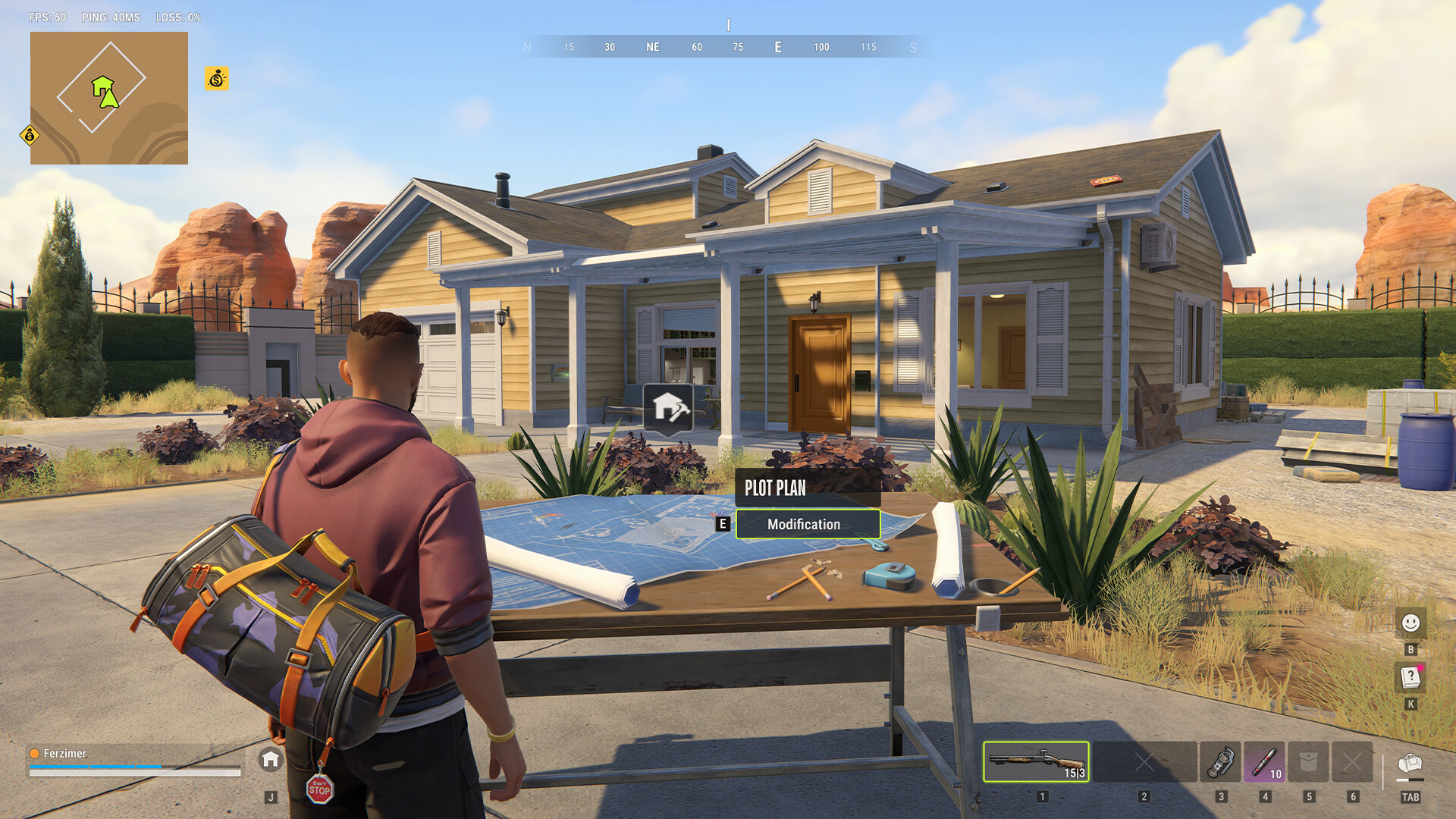
Your first step is choosing a settlement that already has an owner, because that is a requirement for establishing a base. Within that settlement, look for a vacant plot and use the sign immediately beside it to pay rent. This is the documented route for renting your own base space, so the plot sign is the place to begin when you want somewhere to build.
Check the district level as you choose your plot, since the housing requirements change for level 2 and level 3 districts. Those plots require special documents obtained from the Black Market in addition to the rental step. The vehicle guidance separately tells you to buy a plot containing a house or garage before purchasing your own vehicle and keeping its key in your key locker. That vehicle requirement should not be treated as a complete set of instructions for purchasing a standalone house.
Place a house and furnish your base
Construction in ROB RUN uses items placed directly from your inventory, including houses, fences, farms, and garages. The same system covers functional objects such as safes, shelves, workbenches, vises, garden beds, and cooking pots. You can acquire construction items by purchasing them, finding them as loot, or taking them from another player's bag. Obtaining the building item and placing it are therefore part of the construction system, while renting the land is a separate step.
The main building starts with a laptop, a first-aid kit, and a few cabinets, giving you a small set of essentials. Additional furniture and workbenches are yours to set up, so the initial building is only the beginning of furnishing a base. Use the inventory placement system for the relevant objects as you put together the facilities you want. The base also serves as an additional respawn point after death, giving it a purpose beyond holding your belongings.
Upgrade facilities around the activities you use
Your hideout supports building and upgrades, storage for loot and vehicles, and the placement of workbenches and safes. Workbenches can receive modules that unlock additional functionality, so upgrading a workshop includes improving the benches themselves. Farms, warehouses, and laboratories are also among the structures you can construct at your base. These options let you develop the property through individual buildings and functional items rather than treating the house as the whole base.
Several facilities have specific uses described in the base guidance: a farm can grow bushes, and a laboratory can use chemical reagents. Cargo found around the map can be brought back, placed at your base, and opened there. Storage gives you somewhere to keep items you do not yet have a use for. Choose which of these facilities to add according to the activities and materials you want to bring into your base.
Add vehicle space and workshop equipment
A garage is an option when you need more room for another car, while a helipad accommodates a helicopter found while looting. You can also install a lift at your base to change vehicle modules yourself. That provides a base facility for work that would otherwise involve visiting the city auto repair shop. These vehicle structures extend what your property can do alongside its housing, storage, and crafting facilities.
For purchasing your own vehicle, the official vehicle help specifically calls for a plot with a house or garage. It also tells you to store the vehicle's key in your key locker. Keep that purchase requirement in mind when choosing property for vehicle ownership, alongside the separate options for adding a garage, helipad, or lift. The housing and vehicle instructions describe connected uses for your base, but they do not supply a separate house-buying sequence.
Consider territory level, shipments, and relocation
Your home territory's level affects which criminal contacts you can access and, through those contacts, which goods are available to purchase. Higher territory levels open more opportunities, making location relevant to the facilities and supplies you can pursue. The Shipments tab also includes items whose unlock conditions require a base in a settlement of a specified level. Other shipment items require accumulated jail time, so a higher-level home is not the only unlock condition to consider.
Open Shipments by pressing H or using the side menu while in the desert, Lenny's Motel, or Looty Bay. Check the relevant item's unlock condition when deciding whether a different settlement level would help you. If you want to move, the base system allows you to relocate the entire base together with everything inside it. You do not have to rebuild the property from scratch whenever you change locations.
Protect stored goods against other players
You can store stolen goods at your base, but other players can raid it, so storage does not make those goods untouchable. Installing fuses in the Security System makes attackers spend more time and resources hacking it. Defense modules can alert your allies when an attack is underway. Those are specific defensive functions to consider as you add storage and other facilities to the property.
No base is completely safe, even after you add defensive equipment. The game's description also warns that a more lavish hideout attracts more intruders. Treat defenses as ways to complicate an attack and notify allies, rather than a promise that your belongings cannot be raided. That distinction matters when your house also holds stolen goods and the facilities you have collected.
Understand settlement ownership and the weekly reset
Buying an entire settlement with rentable plots is another property mechanic, separate from renting a plot for your personal base. As the settlement owner, you receive a share of the money tenants spend and launder. You must collect that share in person. This is the ownership option associated with tenant income; the personal base instructions instead direct you to pay rent at a vacant plot's sign.
Property also falls under the Federal Raid cycle: every seven days, plots, bases, weapons, and cash are wiped and converted into jail time and authority. Your house and base should therefore be understood as property within that cycle, rather than permanent holdings. Cosmetics, your player name, tutorial progress, settings, and accumulated jail time carry over. The reset removes the listed property and resources while preserving those specified parts of your progress.